By Studio Blu Dental | January 9, 2026
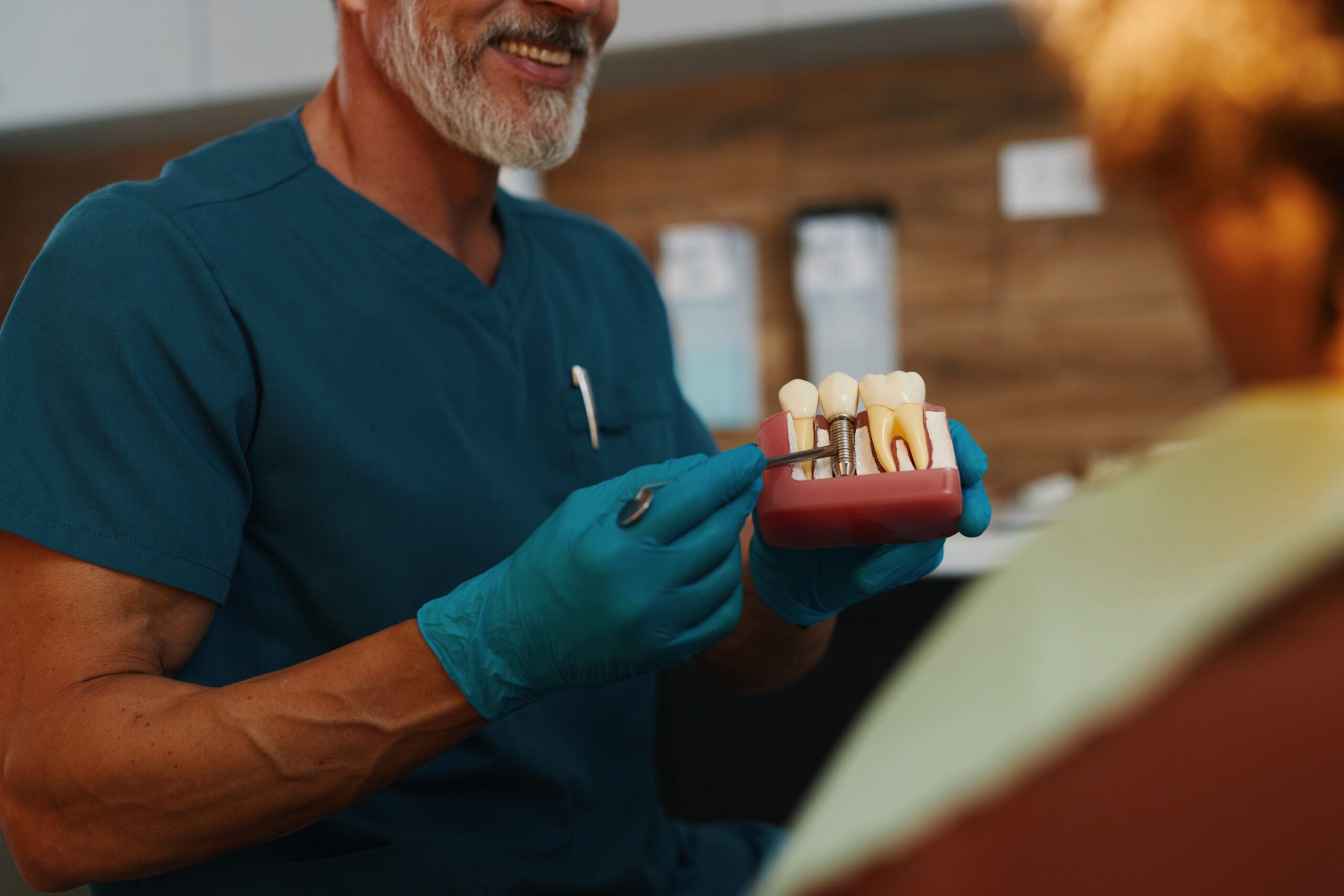
Dental implants provide a long-term solution for tooth replacement, addressing both form and function. If you are considering dental implants to replace missing teeth, it’s essential that you understand the process and what’s involved from the appointment through the healing period. Studio Blu Dental’s Dr. Chuan Wang walks you through the entire process.
Highland dental patients who require dental implants often take advantage of the latest implant technologies, including CBCT and 3D digital imaging. In this blog, you will go through the dental implant process, so you know what to expect.
The Initial Consultation and Treatment Plan
Your journey will begin with a thorough consultation at Studio Blu Dental. During this appointment, not only will an evaluation of your general oral well-being take place, but an analysis of what you hope to achieve will as well. During this appointment, your medical history will be reviewed, along with a comprehensive evaluation of jawbone composition using modern 3D imaging to assess alveolar bone density and other key factors to find out whether dental implants are an option for you.
Any further assistance you require with the dental implants in Highland will include bone grafting and alveolar ridge augmentation. This helps in rebuilding the bone structure to support the implant. The next step after reviewing the treatment plan with Dr. Wang is preparing your mouth for the implant.
Preparing for Surgery
Before the procedure begins, Dr. Wang will likely perform an atraumatic tooth extraction if the patient needs teeth removed. Atraumatic extraction means the procedure is performed gently, without damaging the bone or tissues. In some cases, socket preservation is also performed, especially if a tooth was extracted some time ago.
For patients with poorly structured bones, the dentist often performs a sinus lift or uses bone morphogenetic protein to promote bone growth. This ensures that the implant will eventually integrate well with your jawbone. Bone grafting is necessary if the jawbone is neither dense nor wide enough to support dental implant placement. Dr. Wang ensures the best results for his patients through the zirconia biocompatibility and the osteotomy surgical plan.
Placing the Dental Implant
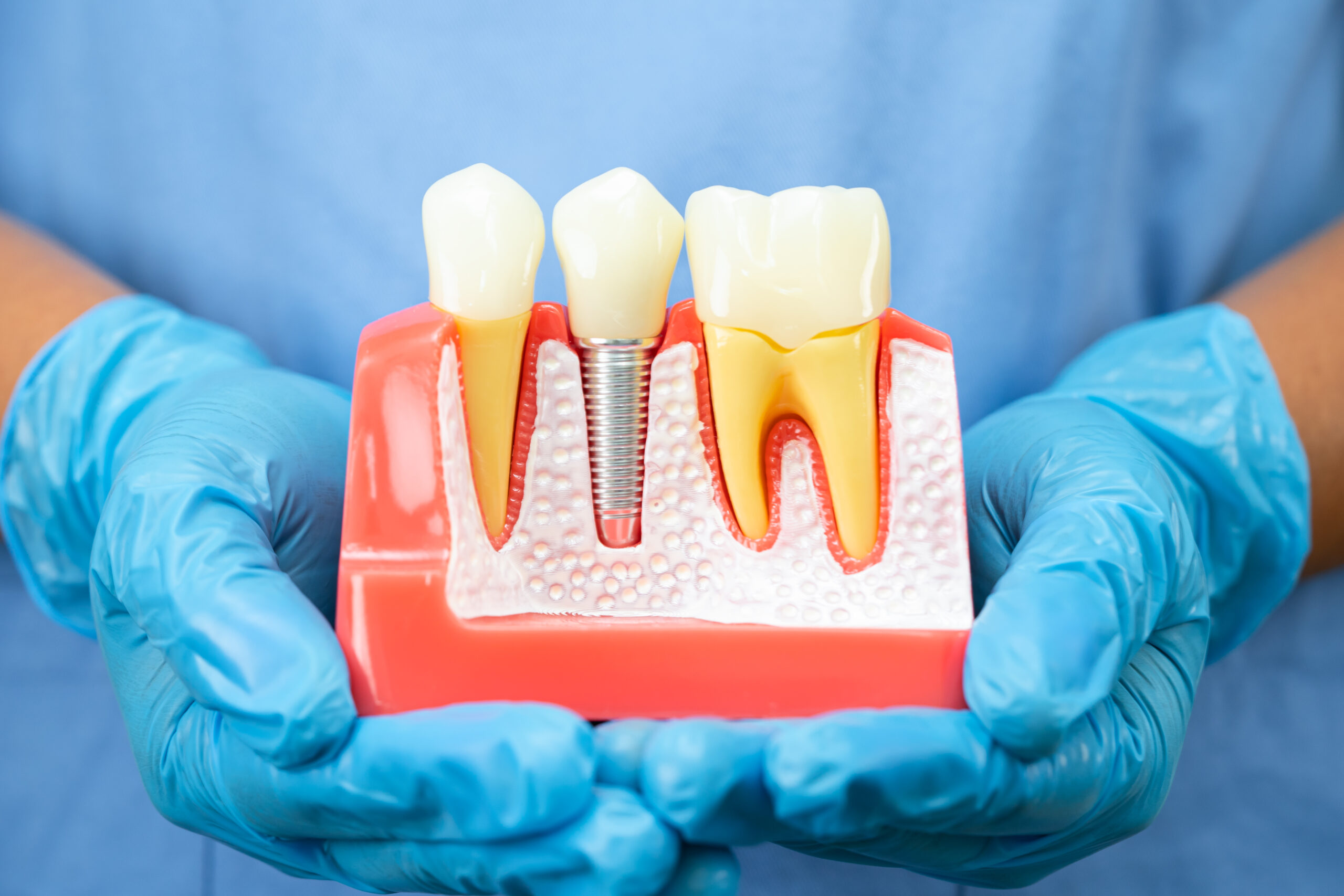
Once this preparation is complete, the dental implant will be placed. The dental implant typically looks like a titanium post and serves as a replacement for the tooth root. The process begins when a small incision is made in the gum tissue. After this incision is made, the titanium post is carefully put into the bone. Then it is anchored into the bone so that integration occurs naturally. This is where the bone actually merges with the implant.
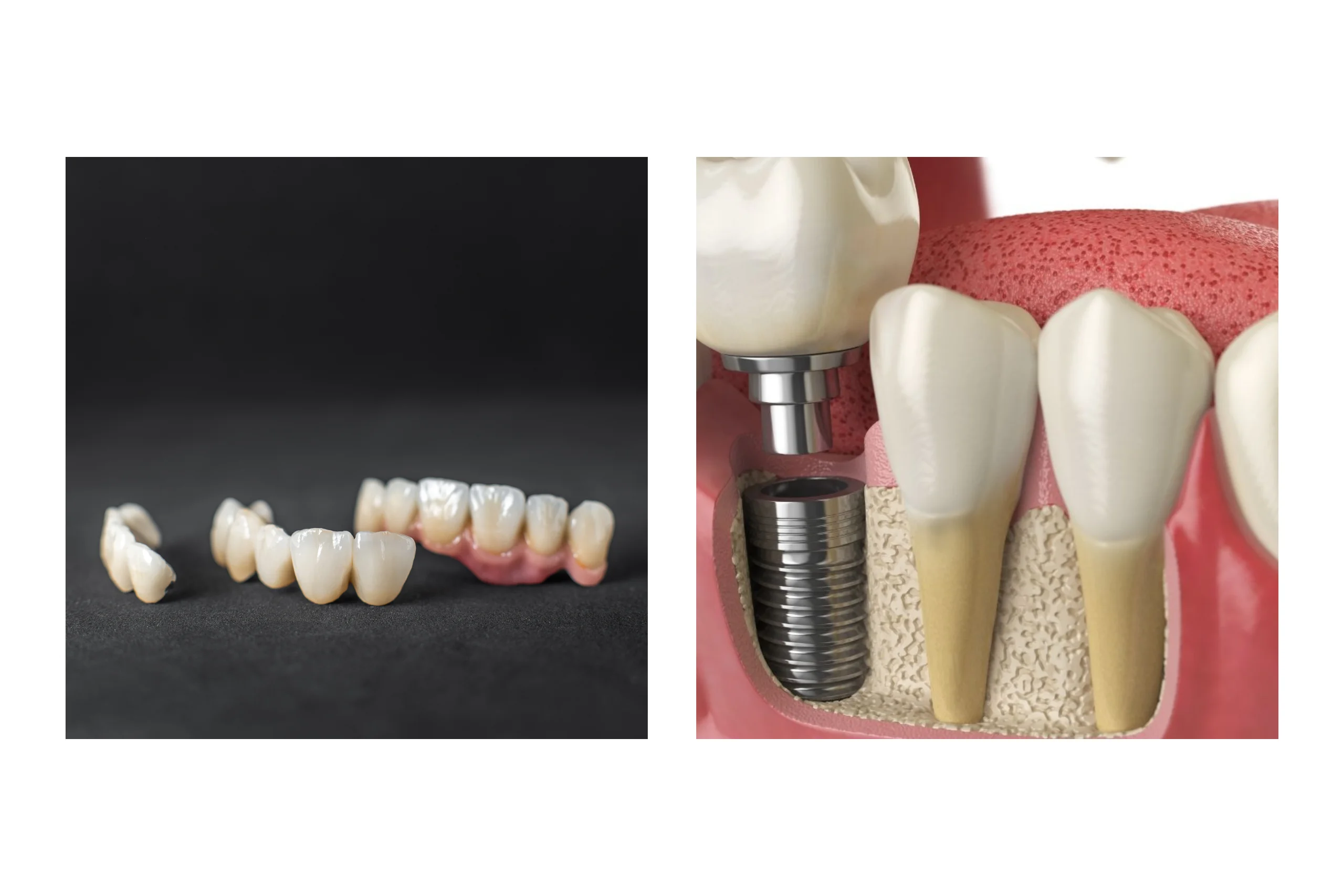
The healing abutment will be placed on top of the implant during this phase. This will guide the formation of the peri-implant mucosa, the tissue that will cover the implant. This tissue is very important in the long-term health of the mouth and is part of what gives your smile its beauty. In some cases, healing will take months, but this will ensure a healthy foundation for the final restoration. Although the cost of dental implants may vary depending on the patient’s needs, the procedure is a long-term solution that can provide both functional and aesthetic advantages.
Restoring Your Smile
Once the implant has fully integrated into your jawbone, Dr. Wang will create an impression of your mouth using cutting-edge technology to ensure your tooth looks and fits perfectly. The impression is then sent to the dental lab, where your custom-made crown is crafted from porcelain-fused-to-zirconia.
The crown will be fashioned to resemble your normal teeth in size, shape, and color. Once the crown is complete, it will be placed on top of your implant. The zirconia will be attached, and your implant will be complete. Your implant is fully functional at this point and looks like any other normal tooth in your mouth.
Aftercare and Follow-Up: Guaranteeing Long-Term Success
It is of paramount importance that you follow proper aftercare to ensure your dental implant procedure is successful. Dr. Wang will give you aftercare instructions that you should follow to the letter for the best results. Follow-up visits are paramount for monitoring the progress of the implant. Here is what you should know:
- Oral Hygiene: You should maintain routine oral hygiene practices, such as brushing and flossing around the implant site, to prevent infection and keep your gums healthy.
- Avoid Hard Foods: Hard or sticky foods should be avoided in the first few weeks to prevent any damage to the implant.
- Follow-Up Appointments: Be sure to follow through on your scheduled appointments with Dr. Wang to evaluate the progress of the implant integration.
- Monitor for Changes: If there is any discomfort in the implant area, contact Studio Blu Dental.
- Rest and Recovery: Take care of your body by resting and following Dr. Wang’s recovery instructions closely.
Dental Implant vs. Bridge: Comparison of the Two Procedures
As a patient looking for options to replace a missing tooth or teeth, it might be a good idea to learn about the distinctions while comparing dental implants vs dental bridge. A bridge is a less invasive procedure that uses adjacent teeth, while an implant is a self-supporting device that does not require neighboring teeth. Dr. Wang will guide you on the best option based on your individual circumstances.
Restore Your Smile with Dental Implants
Ready to bring back your dazzling smile with dental implants? Dr. Chuan Wang of Studio Blu Dental in Highland is here to walk you through the treatment process. With state-of-the-art equipment, including CBCT and 3D digital imaging, we deliver meticulous care from beginning to end.
Every aspect of your dental implant care, from initial consultation to delivery, is created to help you attain a beautiful, functional, and durable new smile. Don’t wait any longer to restore your confidence and reap all the benefits of dental implants. Schedule a consultation with Dr. Wang today to see how dental implants will change your life. We are ready to guide you in every step of the treatment process!
Questions People Ask About Dental Implants
How long does the dental implant procedure take?
The entire dental implant procedure will likely take several months because it involves multiple stages, including time for osseointegration. Typically, the process lasts between 3 to 6 months.
Is bone grafting necessary for dental implants?
Bone grafting for dental implants is needed if the jawbone is not dense or wide enough to support the implant. Dr. Wang will assess your bone health and discuss options for bone augmentation.
What is the difference between a dental implant and a bridge?
A dental implant is a permanent replacement for a missing tooth, placed directly into the jawbone. A bridge, on the other hand, relies on neighboring teeth for support, making it a less permanent solution.
What is the role of CBCT in dental implants?
CBCT (Cone Beam CT) provides detailed 3D images of your jawbone, helping Dr. Wang accurately plan your implant placement. This advanced imaging technology improves the precision and safety of the procedure.
Can dental implants be placed immediately after tooth extraction?
In some cases, a dental implant can be placed immediately after tooth extraction, a process called immediate implant placement. This depends on the condition of the bone and surrounding tissues.
How do I care for my dental implant after the procedure?
After the procedure, it’s essential to follow Dr. Wang’s aftercare instructions. This includes maintaining good oral hygiene, avoiding hard foods, and attending follow-up appointments to ensure proper healing.